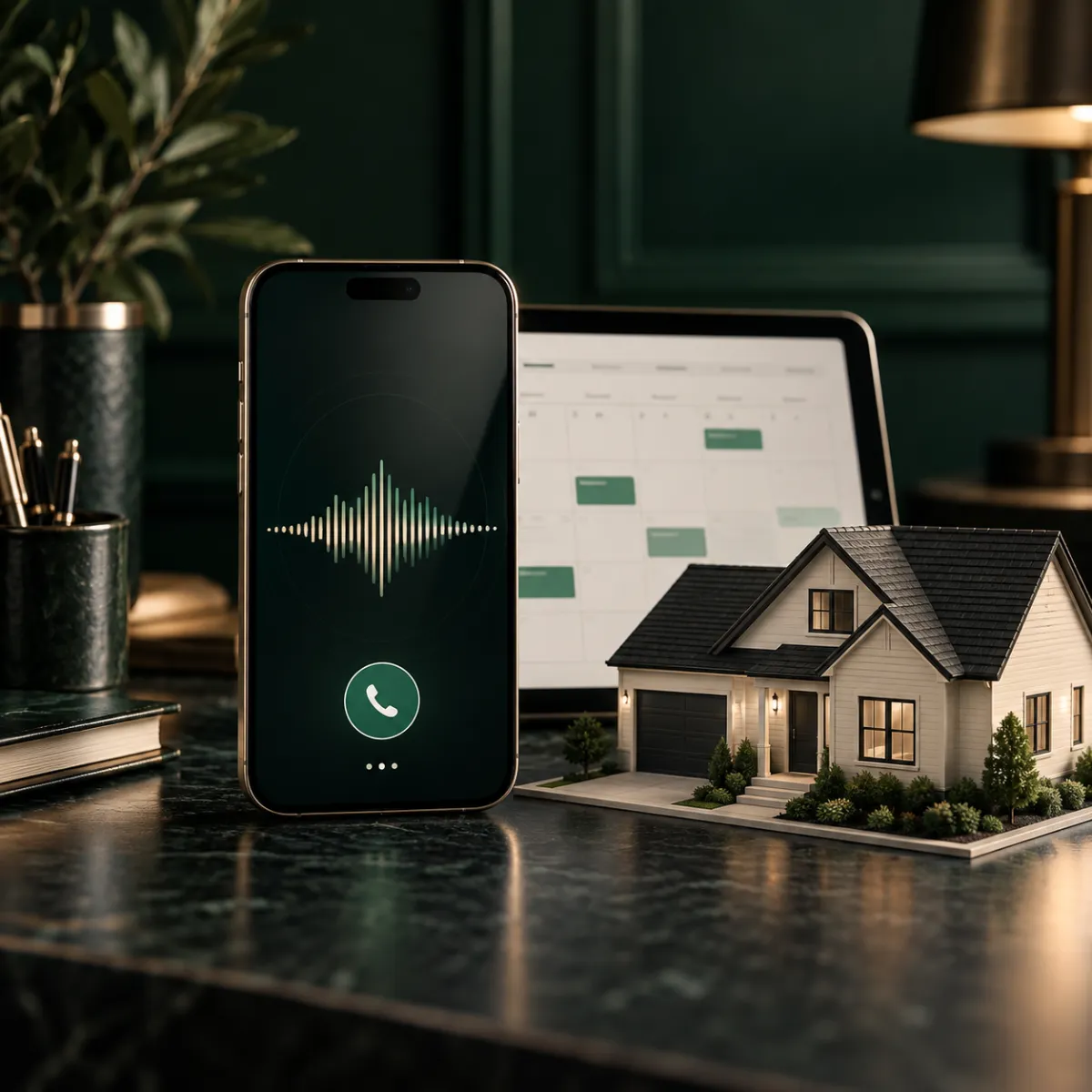
Roofing Lead Follow-Up: Turn More Leads Into Estimates
Roofing Leads, Follow-up Strategies, Sales Conversion, Roofing Business Growth
Most Roofing Companies Don’t Have a Lead Problem - They Have a Follow-Up Problem
If you’re like most roofing company owners or roofing contractors, you probably feel like you’re always chasing more Roofing Leads. You invest in Lead Generation, pay for ads, buy leads from third parties, and hustle for referrals... yet your calendar still has too many open spots. The real issue for many roofing businesses isn’t the number of leads. It’s what happens after those leads come in: the roofing lead follow-up, or more accurately, the lack of a consistent follow-up system.
1. You Don’t Have a Lead Problem - You Have a Follow-Up Problem
Think back over the last 30 days. How many Roofing Leads did you actually receive; phone calls, web forms, social media inquiries, referrals, door-knocking contacts? Now, how many of those people did you follow up with more than once? For most roofing companies, the numbers don’t match. Leads come in, someone calls once or sends one text, then moves on to the next “hot” opportunity. The rest quietly die in your CRM, inbox, or voicemail.
The truth is, you don’t need twice as many leads, you need to convert more of the leads you already have. That shift in mindset is the foundation of real Roofing Business Growth. When you fix your roofing lead follow-up, you’ll see better Sales Conversion without necessarily increasing your ad spend or marketing budget. In other words, you start making more from what you’re already paying for.
2. Why Roofing Leads Don’t Answer (It’s Not What You Think)
Many contractors assume that when a prospect doesn’t pick up the phone or respond to a text, it means they’re not interested. In reality, there are several reasons why roofing leads don’t answer that have nothing to do with interest or intent:
They submitted their information to multiple roofing companies and you weren’t the first to respond.
They were at work, with family, or driving when you called, and simply forgot to call back later.
They don’t recognize your number and assume it’s spam or a telemarketer.
They’re overwhelmed by the roofing process and procrastinating on making a decision.
None of these reasons mean the lead is dead. They simply mean you need a better answer to how to follow up with roofing leads in a way that is persistent, professional, and helpful - without being annoying. That’s where a structured roofing lead follow-up system comes in.
Key Takeaway: Silence doesn’t equal “no.” It usually means “not yet” or “try again differently.”
3. Roofing Lead Response Time: Why Speed Matters More Than You Think
One of the biggest gaps in roofing lead management is response time. Multiple studies from marketing agency owners show that contacting a lead within the first 5 minutes dramatically increases your chances of connecting and booking an appointment. Wait an hour, and your odds drop. Wait a day, and you’re fighting an uphill battle or losing to a competitor who moved faster.
Your roofing lead response time is often the difference between winning and losing the job. Homeowners with roof leaks, storm damage, or insurance deadlines are not casually browsing; they’re looking for help now. If your team only checks web leads a couple of times a day, or you’re letting weekend and after-hours leads sit until Monday, you’re burning money and missing easy wins.
Pro Tip: Aim to contact new Roofing Leads within 5–10 minutes during business hours, and use automated roofing lead follow-up to bridge the gap after hours.
4. The Real Cost of Poor Roofing Lead Management
Every lead has a cost attached to it; whether it came from Google Ads, Facebook campaigns, storm-chasing mailers, or canvassing. When your roofing lead management is inconsistent, you’re not just “missing opportunities.” You’re literally wasting the money you spent to generate those leads in the first place. Poor follow-up means:
Lower Sales Conversion rates, even if lead volume looks strong on paper.
Sales reps constantly complaining that the “leads are bad,” when the real issue is process, not quality.
Slower Roofing Business Growth because you’re always chasing new leads instead of improving conversion on existing ones.
When you dial in your roofing lead follow-up system, your cost per booked appointment drops, your close rates rise, and your marketing dollars suddenly start working a lot harder for you.

Organized lead follow-up turns paid inquiries into scheduled inspections and signed contracts.
5. How to Follow Up with Roofing Leads Without Feeling Pushy
Many roofing contractors hesitate to follow up multiple times because they don’t want to seem aggressive. The key is to approach follow-up as service, not pressure. When you think in terms of helping the homeowner solve a problem, your tone and message naturally become more professional and conversational - exactly what your prospects want.
A Simple Multi-Touch Follow-Up Framework
Immediate response (within 5–10 minutes): Call first. If no answer, leave a short, clear voicemail and send a text: who you are, why you’re calling, and a simple next step (e.g., “Reply YES to schedule a free inspection.”).
Same day follow-up: If they don’t respond, try again later that day with a different channel (call + text or call + email). Reference their original request so they know this is not a cold call.
Next 3–5 days: Continue with a mix of calls, texts, and emails, spacing them out and keeping messages short, helpful, and focused on value (free inspection, insurance help, storm damage assessment).
Longer-term nurture: For leads that still don’t respond, move them into a light nurture sequence with occasional check-ins, seasonal maintenance tips, or storm alerts in their area.
This type of structured follow-up shows prospects that you’re reliable and serious about earning their business. It also dramatically improves how to convert roofing leads from initial inquiry to scheduled appointment, then to closed jobs.
Key Takeaway: Persistence is professional when it’s polite, predictable, and focused on solving the homeowner’s problem.
6. Building a Roofing Lead Follow-Up System That Runs Every Day
Relying on memory, sticky notes, and random callbacks is not a system, it’s a recipe for lost revenue. A real roofing lead follow-up system is predictable, trackable, and easy for your team to execute. It doesn’t depend on one superstar salesperson; it’s baked into how your business operates every single day.
Core Components of an Effective Roofing Lead Management Process
Centralized lead capture: All Roofing Leads: phone calls, web forms, Facebook, referrals all flow into one place (CRM or lead management tool) so nothing slips through the cracks.
Standardized follow-up sequences: Predefined steps for day 1, day 2, and beyond, so your team doesn’t have to guess “what do I do next?”
Clear ownership: Every lead has an assigned owner responsible for follow-up until the lead is scheduled, disqualified, or closed.
Tracking and reporting: You can see at a glance your response times, contact rates, appointment rates, and Sales Conversion percentages.
With this type of structure, roofing lead management stops being chaos and becomes a predictable engine for Roofing Business Growth.
ActivatorSystem helps roofing contractors connect their lead capture, sales pipeline, and follow-up through CRM and automated follow-up services.
7. Automated Roofing Lead Follow-Up: Your Silent Sales Assistant
Even with the best intentions, humans get busy. Jobs run long, crews need attention, suppliers call, and suddenly that new lead sits untouched for hours. This is where automated roofing lead follow-up becomes a game-changer. Automation doesn’t replace your sales team; it supports them and makes sure no lead is left behind.
What Automation Can Handle for You
Instant confirmation messages: As soon as a web form is submitted, the homeowner gets a text or email: “Thanks for reaching out, we received your request and will call shortly.”
First-touch follow-up: If no one calls the lead within a certain timeframe, an automated text or email goes out to keep the conversation alive until your team connects.
Appointment reminders: Automated reminders reduce no-shows and keep your schedule tight and efficient.
Long-term nurture: Drip campaigns with seasonal tips, storm alerts, and educational content keep your brand top of mind for future roofing projects.
Pro Tip: Automation should sound human. Use a professional, conversational tone in your messages so homeowners feel like they’re hearing from a real person, not a robot.
8. How to Convert Roofing Leads into Booked Jobs More Consistently
Improving how to convert roofing leads is about more than just getting a homeowner to pick up the phone. It’s about guiding them through a clear, confident process from first contact to signed agreement. Your follow-up should support this journey at every step.
Three Conversion Levers You Can Control
Speed: Faster response times mean you talk to more leads while they’re still actively looking for help. This alone can significantly boost Sales Conversion.
Consistency: A structured follow-up plan ensures every lead gets multiple, professional touches, not just a single phone call and then silence.
Quality of communication: What you say matters. Focus on clarity, reassurance, and education. Make it easy for homeowners to say “yes” to the next step, usually a free inspection or consultation.
When you combine these three levers with solid Roofing Leads from your Lead Generation efforts, you create a powerful engine for Roofing Business Growth that doesn’t rely solely on “more leads, more leads, more leads.”
9. Common Follow-Up Mistakes Roofing Companies Make (and How to Fix Them)
Only calling once: One attempt is rarely enough. Fix this by building a minimum of 5–7 touches into your roofing lead follow-up system before marking a lead as unresponsive.
Using only one channel: Some homeowners prefer text, others email, others phone. Fix this by using a mix of channels in your Follow-up Strategies so you meet people where they are most comfortable.
No clear next step: Vague messages like “Call us back when you can” don’t perform well. Fix this by ending every message with a simple, specific action: “Reply YES to confirm,” “Click here to pick a time,” or “Call this number to schedule your inspection.”
Not tracking what works: If you’re not measuring response time, contact rate, and close rate, you’re guessing. Fix this by using basic dashboards or reports in your CRM to monitor your roofing lead management performance.
Key Takeaway: Small improvements in follow-up discipline often produce big jumps in Sales Conversion without increasing your ad spend.
10. Aligning Lead Generation with Follow-Up for Real Roofing Business Growth
Lead Generation and follow-up should never be treated as separate worlds. The marketing side of your roofing company works hard to bring in Roofing Leads. The sales side works hard to close deals. But if those two sides don’t align around a shared roofing lead follow-up system, you’ll always feel like you’re leaking opportunities somewhere in the middle.
The companies that grow consistently are the ones that treat every lead as valuable, track what happens from first contact to final invoice, and refine their Follow-up Strategies over time. They understand that Roofing Business Growth isn’t just about buying more leads, it’s about squeezing more value out of every single inquiry that comes in.
11. Turning Your Follow-Up Problem into a Competitive Advantage
Most roofing companies will continue to believe they have a “lead problem” and keep throwing money at Lead Generation alone. That’s an opportunity for you. By building a strong roofing lead follow-up system, tightening your roofing lead response time, and embracing automated roofing lead follow-up where it makes sense, you can stand out in a crowded market without outspending your competitors on ads.
Homeowners notice when a contractor is responsive, organized, and easy to communicate with. They also notice when they submit a form and never hear back, or when they get one call and then radio silence. The way you handle Roofing Leads before you ever set foot on their property sends a powerful message about how you’ll handle their project.
12. Your Next Steps: Fix the Follow-Up, Then Scale the Leads
If you’re serious about growing your roofing business, here’s a simple sequence to follow:
Audit your current follow-up: Look at the last 30–60 days of Roofing Leads. How fast did you respond? How many touches did each lead get? What was your actual Sales Conversion rate from lead to appointment and from appointment to closed job?
Design or refine your roofing lead follow-up system: Map out a clear process: immediate response, daily follow-up for the first few days, then longer-term nurture. Decide who owns each step and what tools you’ll use.
Implement automation where it helps most: Use automated roofing lead follow-up for confirmation messages, reminders, and nurture sequences, so your team can focus on high-value conversations and on-site appointments.
Then scale your Lead Generation: Once your follow-up is tight and your roofing lead management is consistent, increasing lead volume will actually produce the Roofing Business Growth you’ve been aiming for.
When you approach it this way, you stop blaming “bad leads” and start building a predictable, scalable sales engine. Your marketing dollars go further, your team feels more confident, and your calendar fills with the kind of jobs you actually want.
Explore ActivatorSystem’s client work and results to see examples of our work with roofing businesses.
Final Thoughts: The Hidden Power of Great Follow-Up
Most roofing companies don’t have a lead problem, they have a follow-up problem. The good news is that follow-up is something you can control, refine, and improve quickly. By focusing on roofing lead response time, building a real roofing lead follow-up system, leveraging automated roofing lead follow-up, and consistently improving how to convert roofing leads, you create a solid foundation for long-term Roofing Business Growth.
You’ve already worked hard to generate Roofing Leads. Now it’s time to respect that effort and your marketing budget by treating every lead like it matters. Because it does. The roofing companies that win in the next few years won’t just be the ones with the most leads. They’ll be the ones with the best follow-up.
Want to identify where roofing inquiries are slipping through your process? Contact ActivatorSystem to discuss your lead follow-up system.
Written by Declan Nugent, founder of ActivatorSystem, a client acquisition and marketing systems company serving roofing and exterior contractors.